
The Lotus Catheter is the only urinary catheter with FDA clearance for multiple uses of all the three urinary catheters in the medical field: as a Foley Catheter, as a Malecot Catheter, and as a Straight Catheter

Simpler, Safer, and Superior in comparison to the Foley Catheter

From the very early days of my training as a urologist at the Hammersmith Hospital, the Royal Postgraduate Medical School, the Institute of Urology and St. Peter’s Hospitals in London, England, my teachers, my colleagues and I became aware of the cost, morbidity and mortality associated with the use of the Foley balloon Catheter. My urology training was later refined in the US at the University of South Florida and at Bay Pines VA Medical Center in Florida as a Professor of Urology.
Working as a scientist, inventor and urology educator at the University of South Florida for over 25 years, the inventor came to the conclusion as early as 1995 that the current three different urinary catheters in the medical field need to be changed. The reason is the morbidity and even mortality of their use, in addition to the staggering cost to treat CAUTI (Catheter Associated Urinary Tract Infection).
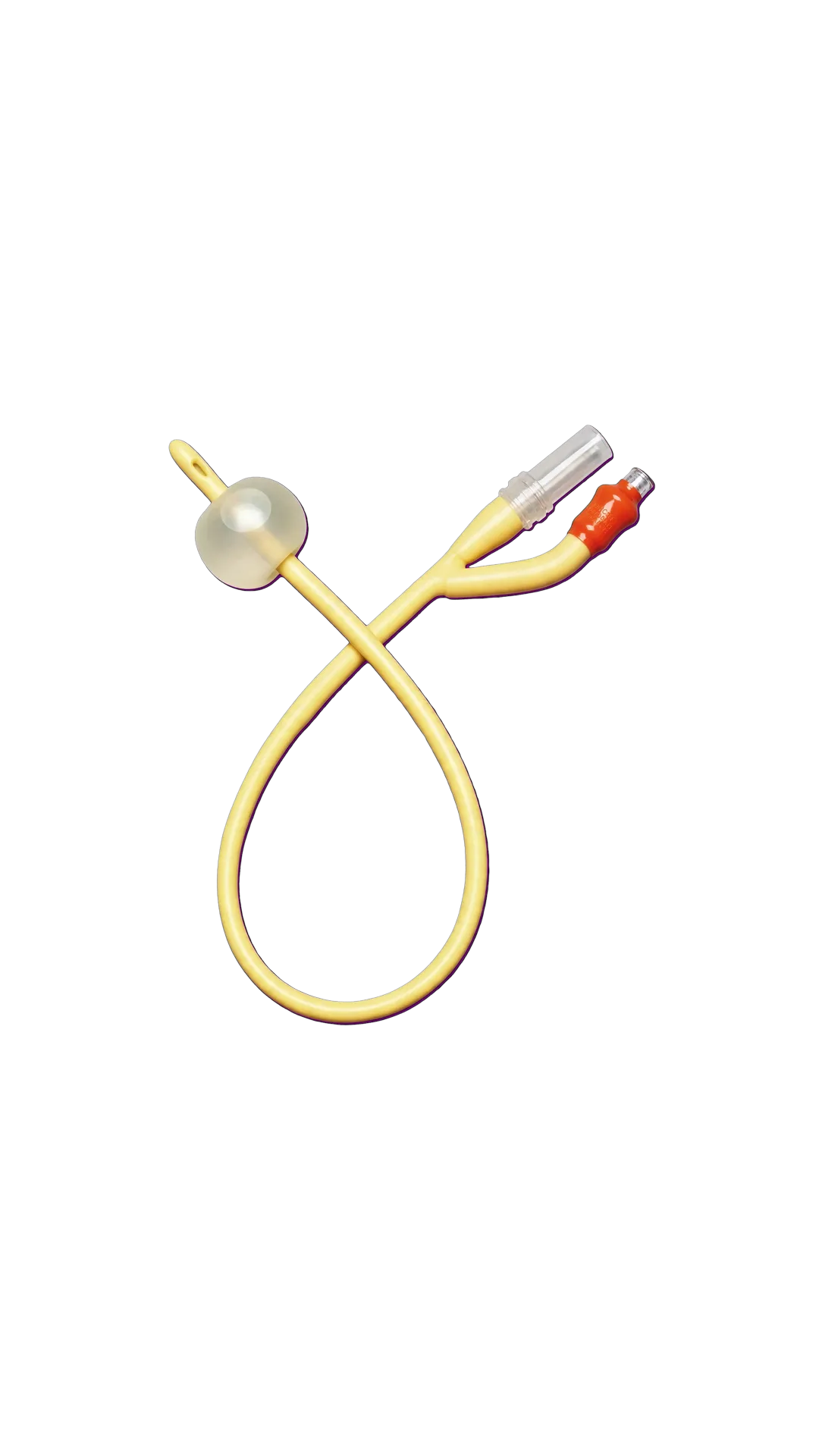

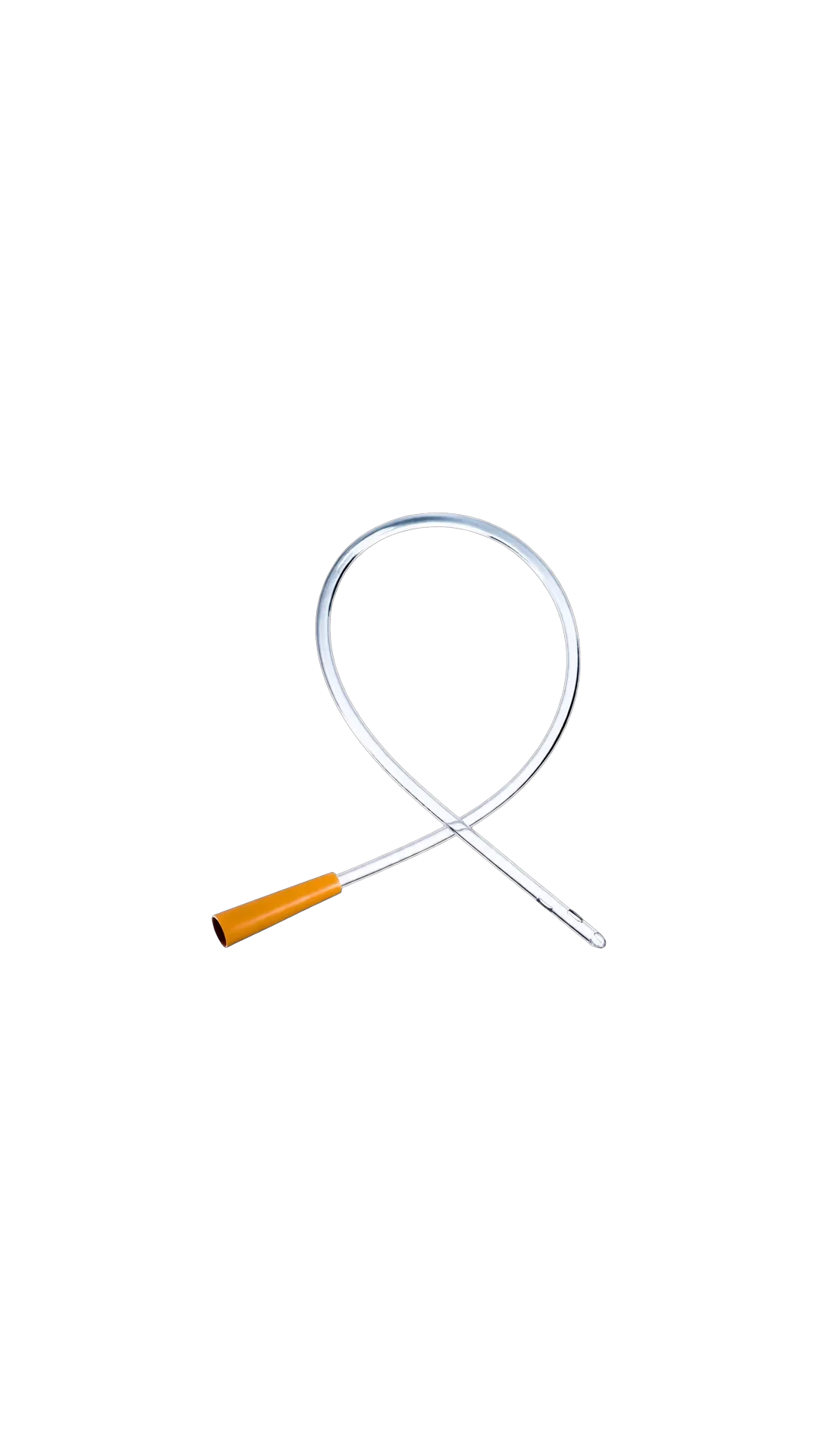
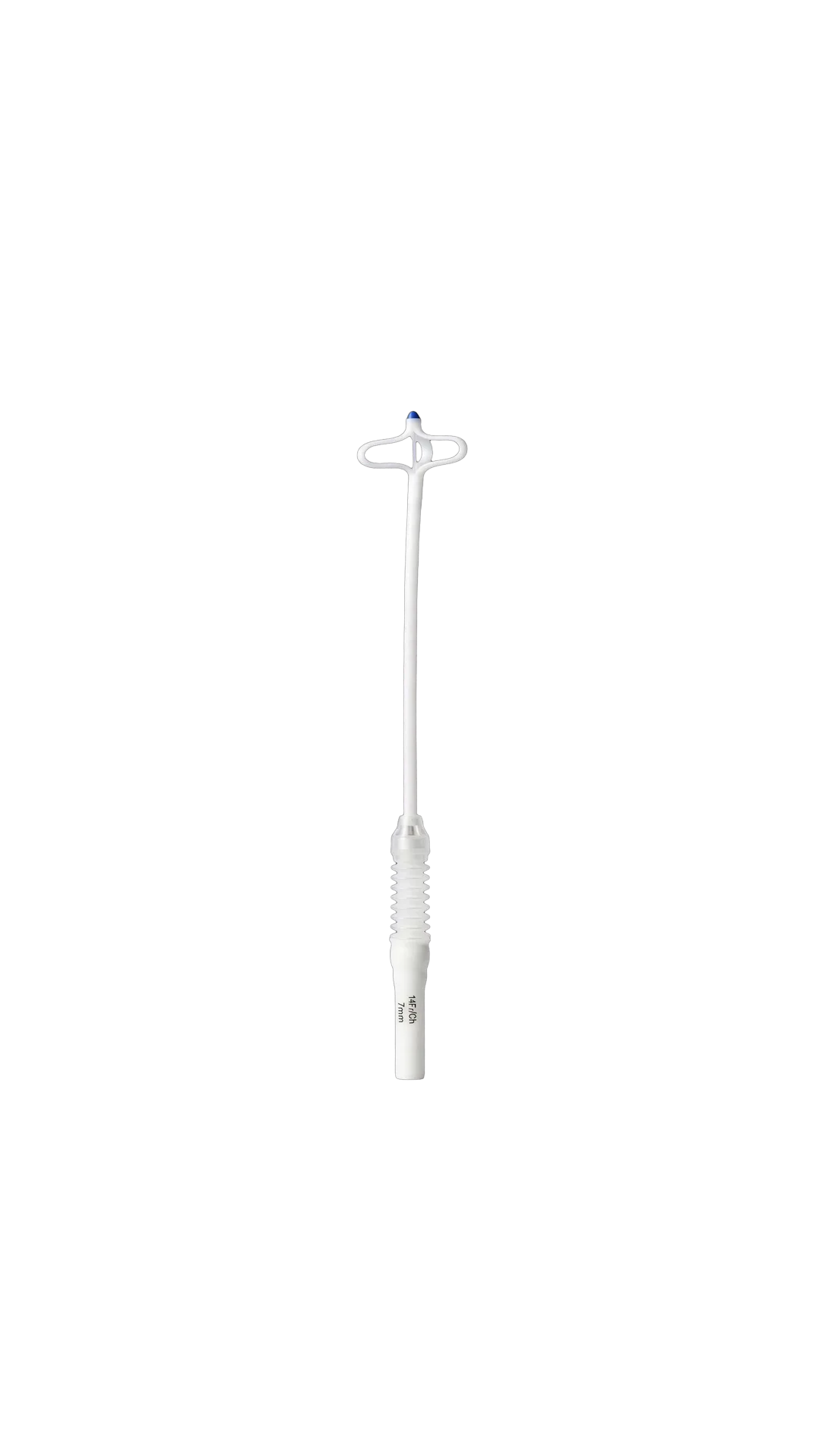
There are four urinary catheters in the field of medicine worldwide. Each catheter has a distinctive FDA indication and specific instructions for use.


FDA Indications for Use: Continuous urinary bladder drainage and/or irrigation through the urethra.
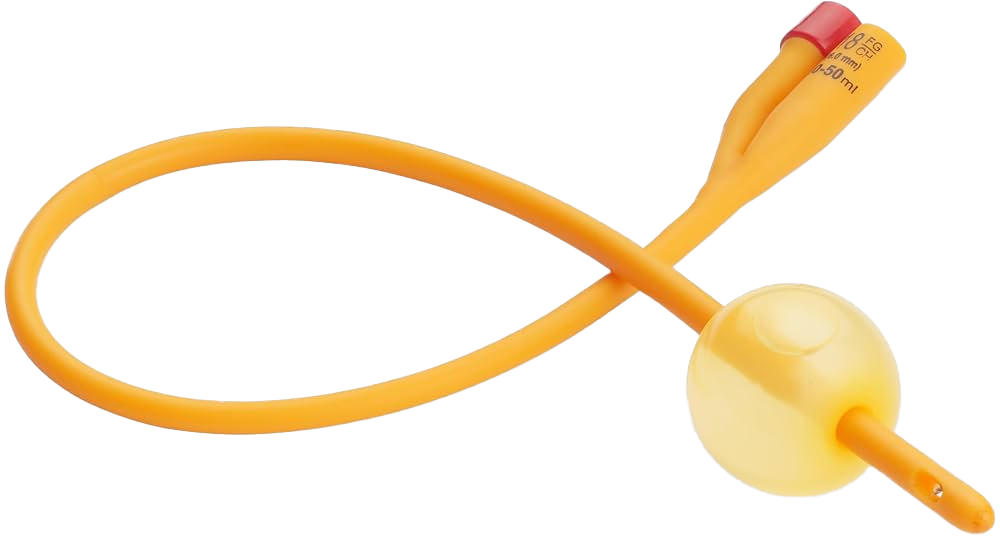
The Foley Catheter has been with us for about 100 years now. It is a catheter with a balloon to be inflated using sterile water via a side channel. The average inflation of the balloon is 10-30 cc of sterile water, so the average inflated Foley balloon weighs 10-30 grams.


The Malecot Catheter has been with us for over 120 years now. It is used almost exclusively by urologists. The Malecot needs a stiff metal or plastic introducer to change the 3-4 wing or flower configuration to a straight catheter to pass through a surgically created hole. This hole could be in the lower abdomen to drain the urinary bladder, as in suprapubic cystostomy, or in the flank of the patient to drain urine from the renal pelvis, as in nephrostomy.
Once the flower configuration is located inside the urinary bladder or renal pelvis by direct vision or fluoroscopy, the stiff introducer is withdrawn and the catheter reverts back to its 3-4 wing flower configuration. To remove it, the introducer is passed through the lumen to the inside of the tip under direct vision or fluoroscopy, and by pulling the shaft towards the operator, the flower configuration changes into a straight catheter again, which can then be pulled out.
Indications for Use:
Suprapubic Cystostomy: through a surgically created hole in the lower abdomen just above the pubic bone. The urinary bladder is drained for a long period of time and sometimes for the life of the patient.
Nephrostomy: through a surgically created hole in the flank of the patient connected to the pelvis of the kidney. The catheter drains the urine from the renal pelvis for days, weeks, or for the life of the patient.


The straight catheter has been with us since early civilization. The Egyptians were the first to describe draining the urinary bladder using a stiff hollow bone or a leather tube lubricated with butter or cheese, followed by ancient Indian and ancient Chinese descriptions. Synthetic polymers came into use only about 180 years ago. The straight catheter is a straight hollow malleable tube, lubricated and passed urethrally to empty the bladder. Since the advent of the Malecot and Foley balloon Catheter, straight catheter use is restricted by the FDA to intermittent self catheterization in patients who are unable to empty their bladder. Failure to empty a distended urinary bladder leads to back pressure on both kidneys, which would end in renal failure and death.
Indications for Use: Clean Self Intermittent Catheterization by the patient. The kit usually has a Straight Catheter with hydrophilic coating and a foil sachet of sterile water used to lubricate the catheter for easy insertion.


The only urinary catheter cleared by the FDA for use as all three of the above.
See sections below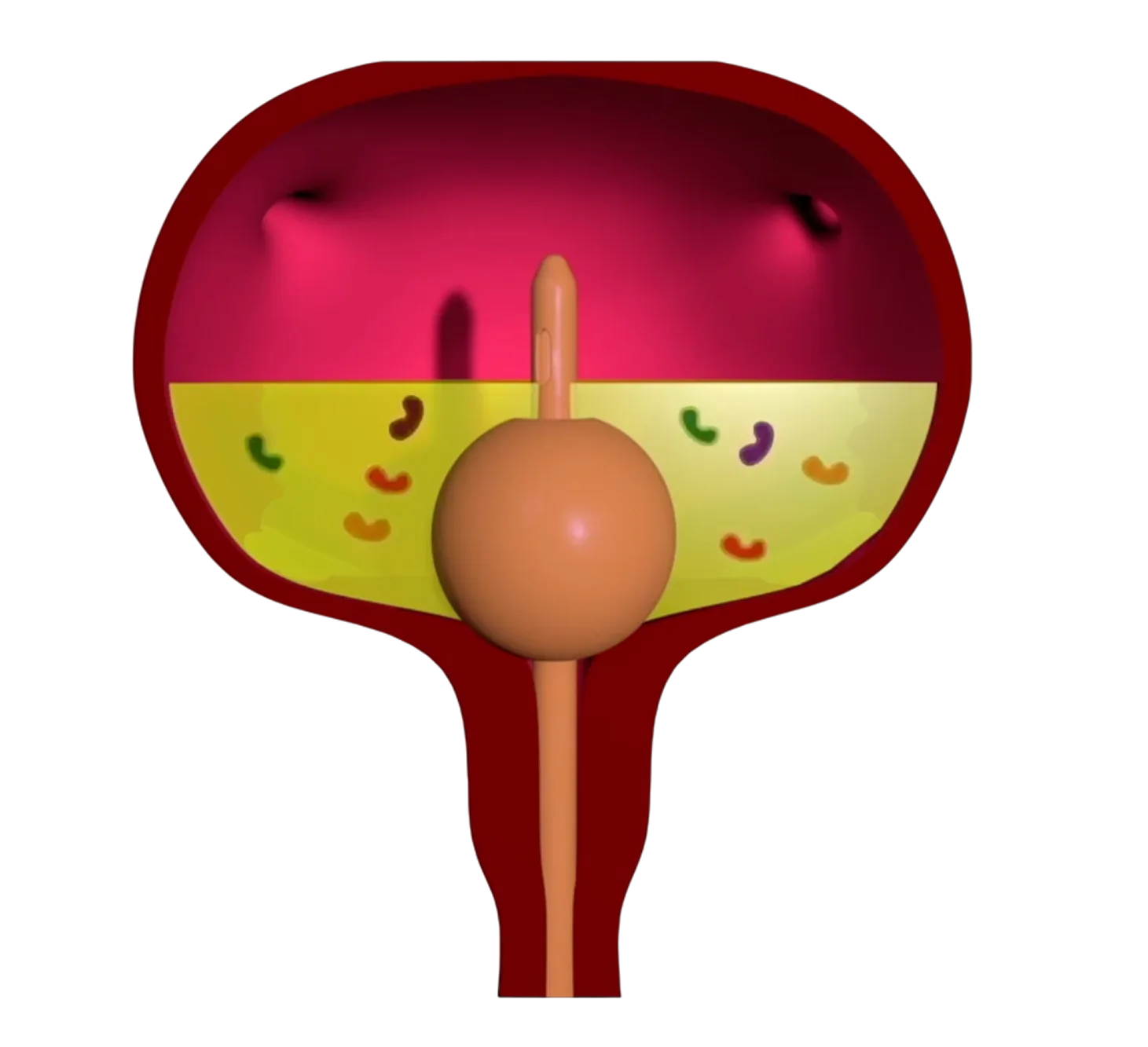
The Foley Catheter is stabilized inside the urinary bladder using an inflatable balloon filled with 5cc-30cc of sterile water. The water is non-compressible. The diameter of this non-compressible balloon ranges between 2.5 and 4.5 centimeters (1 inch to 1.77 inches). This balloon, weighing approximately 5-30 grams, sits on the most sensitive part of the urinary bladder, the trigone and the bladder neck, causing continuous painful spasm as long as the catheter is indwelling. Continuous medication is usually necessary to relieve the pain and discomfort.
Balloon diameter
Balloon weight
The balloon is the sole stabilizer keeping the Foley catheter indwelling. The standard of care of fixing the Foley Catheter to the inner side of the patient’s thigh with adhesive tape, Velcro, or a special stabilizer is merely protective. It lessens the continuous irritation of the trigone and bladder neck by the balloon, and it protects against the catheter being accidentally or intentionally pulled out (for example by a confused or demented patient) with the balloon fully inflated.
The Foley catheter’s two drainage ports are located at the tip, above the balloon. Because of this high location, residual urine of 10-100cc remains inside the bladder at all times (Roger C.L. Feneley et al.). The first sensation to urinate starts at about 50 cc of urine. The inflated balloon (5-30 cc) plus residual urine averaging 30-50 cc means most patients sense the urge to urinate as long as the catheter is indwelling, causing painful bladder spasm that requires antispasmodic and at times analgesic medication. Uncontrolled urine may leak around the catheter, soiling the patient, his clothes and his surroundings.
The tip housing the two drainage ports is usually 2.5-4.5 centimeters long and rests on the non-compressible balloon. This tip pushes against the dome of the bladder, upon which all bowels rest. Within 24-48 hours, 100% of patients with an indwelling Foley catheter develop a catheter granuloma. Microscopically, all catheter granulomas contain acute as well as chronic inflammatory cells.
The combination of high residual urine, the balloon constantly irritating the trigone and bladder neck, and the tip pushing against the dome produces acute/chronic inflammation (cystitis), seen endoscopically in every single case with an indwelling Foley catheter. These factors cause CAUTI, which results in staggering cost, morbidity and even mortality (Roger C.L. Feneley et al.).
Force to dislodge with the balloon fully inflated
The force needed to dislodge the Foley catheter with the balloon fully inflated ranges from 5 to 50 pounds. This is not an uncommon incident. It may cause severe bleeding and tears of the bladder neck and urethra, and may partially or completely destroy the internal sphincter mechanism, leading to partial or complete incontinence, with immediate and long-term complications.
Coating the Foley Catheter with silver nitrate or antibiotics is at best deceptive in treating the causes of CAUTI. Professor Feneley addressed this issue: none of these coatings has any scientific basis to eliminate the leading causes of CAUTI.
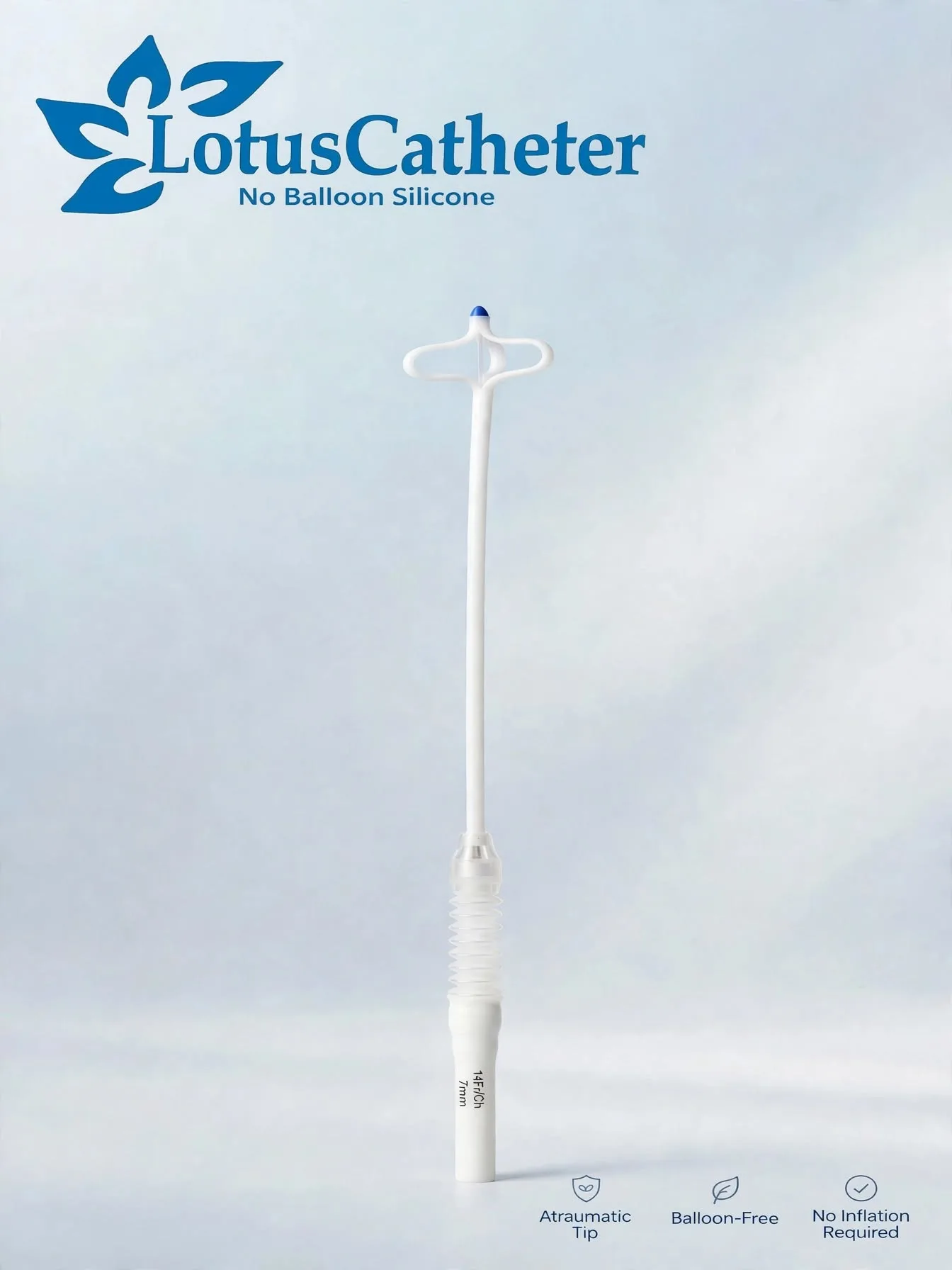
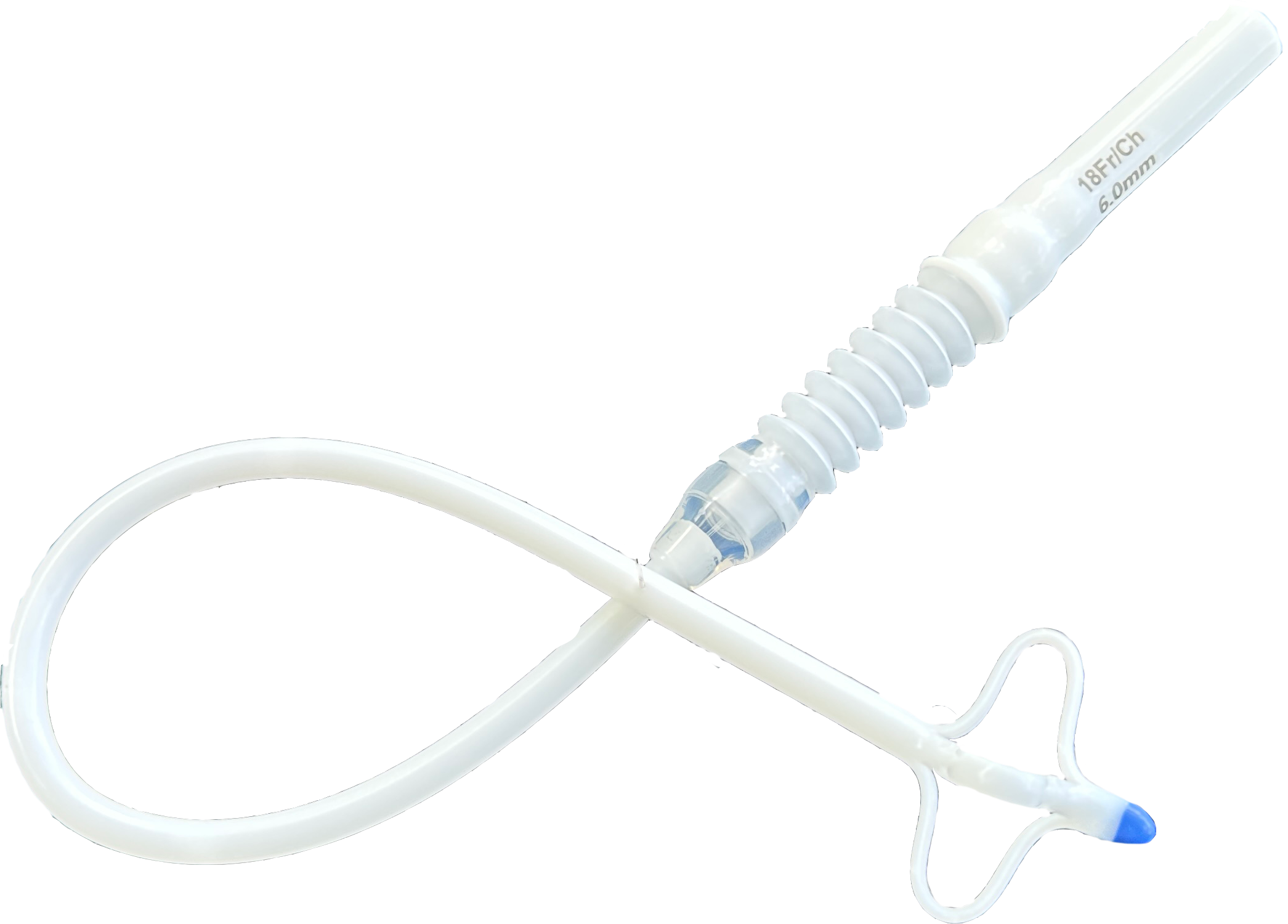
Single step, push to deploy, pull rod to retract. No syringe, no inflation, no separate supplies. Prospective study, N=50. 1
Requires syringe for balloon inflation on insertion and deflation on removal. Incomplete deflation risks urethral trauma during extraction. 4
Prospective clinical trial, N=50. 1
Within 30 days. Noninfectious complications were 5× more common than infectious. N=2,076. 2
Zero urinary tract infections detected across entire prospective cohort. N=50. 1
Study: 0 of 505.7% told they had UTI; 10.5% reported any infectious complication (fever, chills, burning, urgency). N=2,076. 2
Balloon-linked riskNear-complete drainage. Lumen rests at bladder neck. Prospective study, N=50. 1
Study: 4.8 mL meanVs. 0 mL for straight catheters. Balloon elevates lumen above pooled urine, preventing complete emptying and promoting bacterial colonization. 1*
Residual urine poolWong-Baker scale. Mean insertion discomfort 0 (no pain). Mean removal discomfort 2/10. N=50. 1
Pain or discomfort with catheter in place, patient-reported (n=124 subgroup). 2
No gross hematuria at insertion. Two accidental dislodgements caused zero urethral injury, no hematuria. N=50 cohort. 1
Wings compress safelyComposite: pain, discomfort, bleeding, and/or trauma during removal. Separately, 10.0% reported blood in urine while catheterized. 2
Balloon extraction riskDesigned to be minimally invasive. No balloon pressure on the trigone, reducing the likelihood of anticholinergic medication. N=50. 1
34.7% reported urgency/spasms while catheterized; 24.0% continued post-removal. Balloon pressure on trigone is a recognized contributor. 2
Compressible silicone wings. No sustained rigid pressure on trigone or bladder wall. 7
Inflated balloon exerts continuous pressure on bladder trigone. Histologic inflammation and damage onset within 6 hours. 3
Retention tested at 1 lb (0.45 kg) per ASTM F623. 6 Two cases in N=50 cohort confirmed zero trauma on dislodgement. 1
10 mL balloon requires ~3.8 kg (8.4 lbs) to forcibly remove in female cadavers 5, ~9.3 lbs in males 4. Risks urethral laceration and stricture.
Push-to-deploy / pull-to-retract eliminates syringe handling. No risk of intraurethral balloon inflation during self-insertion. 8
Self-inflation/deflation adds risk of intraurethral balloon inflation, incomplete deflation, and syringe malfunction.
FDA-cleared for indwelling, intermittent, and suprapubic catheterization in a single device. Eliminates need to stock multiple catheter types. 8
Foley (indwelling), straight (intermittent), and suprapubic catheters are separate products with different designs, packaging, and SKUs.
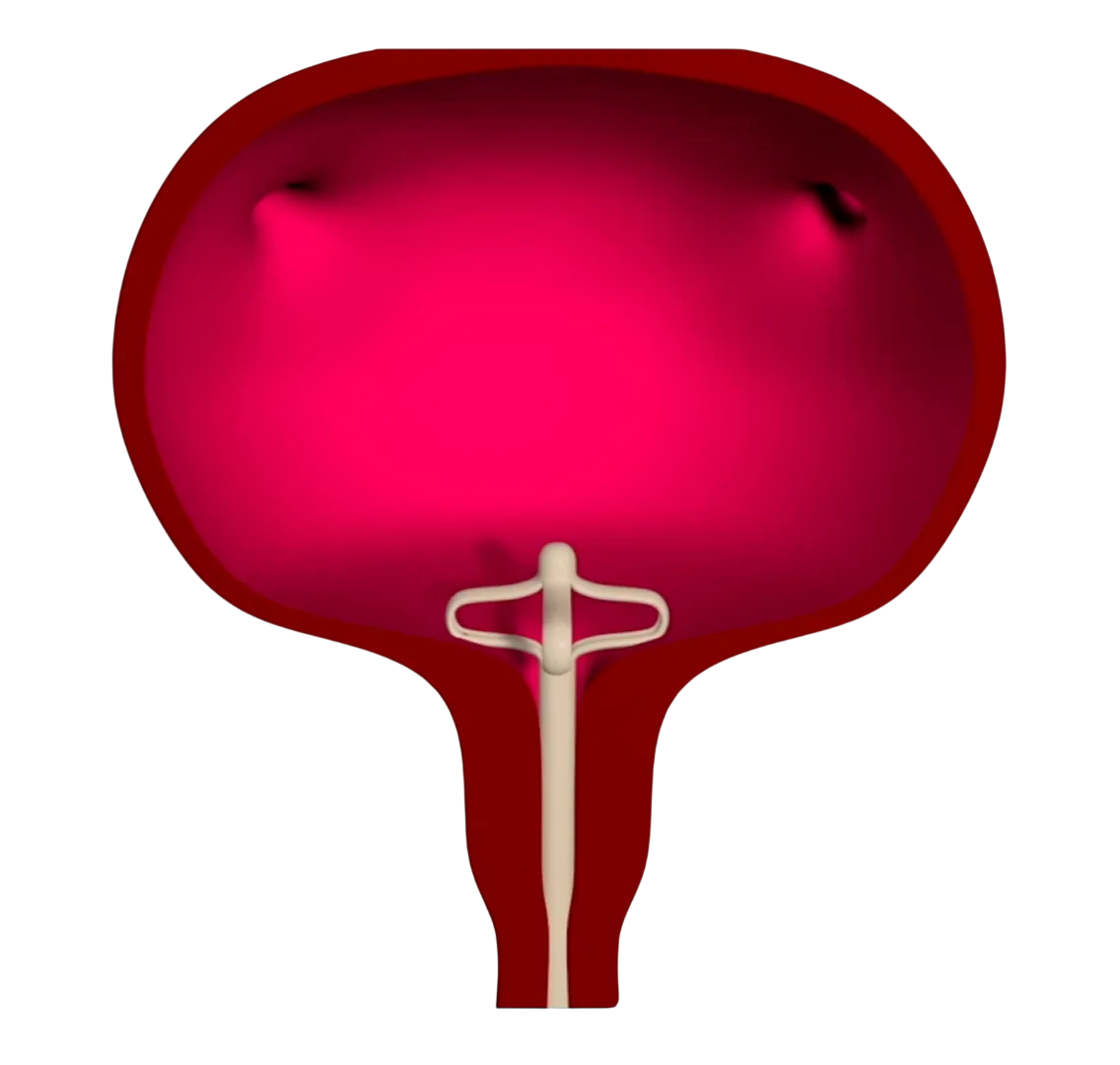
Where the lumen sits decides how much urine is left behind.
 4.8 mL mean PVR
Near-complete drainage. The lumen rests at the bladder neck, so the bladder empties instead of leaving a pool behind. Prospective study, N=50. 1
77 mL mean PVR
Vs. 0 mL for straight catheters. The balloon elevates the lumen above the pooled urine, preventing complete emptying and promoting bacterial colonization. 1*
On May 21, 2020, the FDA made a historic clearance of the Lotus Catheter for use as:
The Lotus Catheter comes as part of a complete kit, already attached to a bedside urine bag or leg bag. The junction is sealed with a plastic covering, which the healthcare provider may remove if desired.
Used mainly by the Armed Forces and in operating rooms, to prevent possible contamination of the catheter by the healthcare provider.
Prevents possible contamination by the patient. A healthcare provider would prescribe it for certain immunocompromised patients or as part of CAUTI management.
Equivalent to the Three Way Foley Catheter. The Foley uses one channel to inflate the balloon, one for irrigation with glycine isotonic solution, and one to drain the mixed fluids and blood. Since the Lotus has no balloon, it needs only two: one to inject glycine isotonic solution to irrigate the bladder after prostate or bladder endoscopic (or rarely open) surgery, and one to drain the bladder.
Very similar to the Foley Council Tip. A side channel feeds into the lumen, open at the very tip. It is used after endoscopic dilatation of the urethra in urethral stricture. A guide wire is inserted endoscopically from the external meatus to the bladder and threaded through the tip channel. The Lotus Catheter, preferably two French sizes smaller than the maximum dilator used, is then threaded along the wire until the wings are 2.5-5.0 cm above the trigone or bladder neck, as confirmed endoscopically by the urologist.
Very similar to the Coudé Foley Catheter. The tip is angled 25-30 degrees up from the shaft. It is used by urologists in patients with median lobe prostatic enlargement, which is otherwise very difficult to negotiate with a straight tip.
In an acute or chronic surgically created nephrostomy channel, a Council Tip Lotus Catheter is threaded under fluoroscopy along the track to the renal pelvis. When a JJ stent is present (one J in the renal pelvis and the other at the ureteral orifice in the bladder), three wings are more likely to dislodge it. A Two Wing Council Tip Catheter, called by urologists the Specialty Nephrostomy Council Catheter, is preferred. The wings are deployed and closed under fluoroscopy and steered clear of the JJ stent.
Professor Jorge Lockhart, Professor and Chair of Urology at the University of South Florida, was the lead supporter of the Lotus Catheter. He and his team conducted an independent prospective clinical trial on 50 patients in 2016, showing the Lotus Catheter is simpler, safer, and has no residual urine. None of the 50 patients developed any CAUTI. The study was published in the Journal of Urology and Renal Diseases on February 27, 2017.
Professor Roger C. L. Feneley, an internationally renowned urologist from the UK, wrote his well-known article on the urgent need to find an alternative to the Foley Catheter, supported by over 100 credible urology references. He endorsed the Lotus Catheter as the answer to the ideal urinary catheter described in that article, and plans were laid for a multicenter comparative study in the UK. Unfortunately, Professor Feneley passed away before the study could be conducted.

Lotus Catheter
Instructions for Use and Indications for Use
A trained team on the Lotus Catheter will be introduced to your institution to ensure the FDA-ordered Instructions for Use and Indications for Use are passed on to all your healthcare providers. Once your medical staff is well versed in its use, each healthcare provider will receive a Certificate of Completion of Training on the Lotus Catheter. Each person trained is then eligible to teach other healthcare providers.
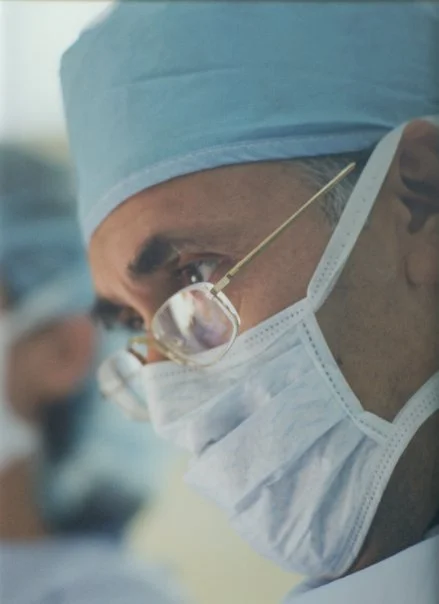
Message from the Inventor
Urologist, Professor & Inventor
Over the next few years, the hardest task for the Lotus Catheter is yet to come: clinically proving that the Lotus Catheter is Simpler, Safer, and Superior compared to the Foley Catheter. This monumental task needs to come from my medical, surgical and urology colleagues worldwide. Their continued support and advice are of utmost importance. Without their help, the Lotus Catheter will not become the standard of care in urology.
I would like to hear from you during your clinical application or clinical trials. Any suggestions and ideas are more than welcome. Any critical note will be taken seriously into consideration and immediately corrected. After all, our objective is one and the same: to provide our patients with the best care, using the best tools we can provide.
— Said Ismail Hakki, M.D., Ph.D., Inventor

If you run a hospital system weighing alternatives to the Foley, a GPO looking at formulary consolidation, or a distributor after a product that sets your portfolio apart, we are ready to act fast.